
Your windshield is basically the front-line soldier of your car. Every single mile it’s getting pelted by rocks, sand, gravel, blasted by sun, frozen at night, and slowly chewed up by tiny impacts you never even see. Most of us ignore it… until that first ugly crack appears. And then — bam — the bill hits.
So let’s cut the fluff: Replacement is expensive and reactive. Windshield protection film (WPF) is smart, proactive, and usually saves you money and headaches.
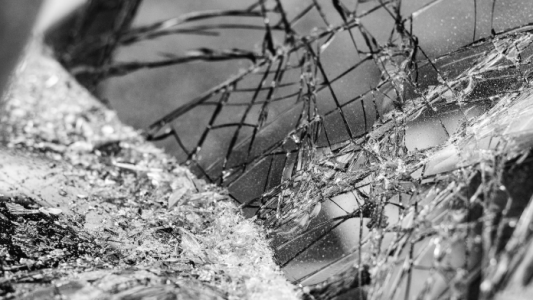
What a windshield replacement actually costs (spoiler: it hurts)
You’ve seen the Google results — prices all over the place. Here’s the real-world damage:
- Normal cars: $300–$600
- Cars with rain sensors, cameras, heads-up display: $700–$1,200+
- Luxury / ADAS-loaded vehicles: $1,500–$2,500+ once you add calibration
And yes — calibration is non-negotiable now. Your lane-keep assist, collision warning, adaptive cruise, auto-braking… they all go blind if the cameras aren’t perfectly realigned. That step alone can slap another $200–$600 on top.
Even with insurance it’s rarely “free.” Deductibles, sneaky rate hikes later, lost time, rental cars, and the gamble of getting decent (not great) aftermarket glass.
Replacement doesn’t fix the problem — it just restarts the clock
New windshield = new risks: Bad seals, wind noise, leaks, weird optical distortion, sensors that don’t see straight. And that brand-new glass? It’s just as exposed to the next rock as the old one — sometimes worse if the quality is lower.
You’re not solving anything. You’re just pressing reset… until the next chip turns into a full crack.

What windshield protection film actually does (and why it feels like cheating)
WPF is a nearly invisible, super-tough clear shield that bonds straight onto your windshield. It’s like giving your glass a bodyguard.
Rocks hit the film — not your windshield. Micro-pitting happens on the film — not your glass. Small chips stay tiny instead of exploding into spiderwebs.
Top-tier film shrugs off scratches, blocks UV, boosts impact resistance, and stays crystal-clear. No haze. No camera distortion. No ADAS tantrums.
The money showdown — film vs. replacement
Pro WPF install usually lands between $400–$800 depending on your car and film level.
That’s often less than one replacement on a modern vehicle with sensors. But the real flex? One good film job can stop multiple replacements over the years.
If it prevents just one replacement → it’s already paid for itself. If it prevents two or three → you’re laughing all the way to thousands saved.
Long-term wins (insurance & peace of mind)
Glass claims aren’t always invisible on your record. A few of them can quietly bump premiums or change your coverage later.
WPF keeps you from ever needing to file in the first place. Plus it protects your original factory glass — which is almost always better optics, better calibration, and better built than aftermarket replacements.
Your safety tech literally depends on a clean windshield
Modern cars have cameras living right behind the glass. Any pitting, scratching or haze can mess with:
- Lane departure warnings
- Forward collision alerts
- Adaptive cruise control
- Night vision / heads-up display
- Emergency braking
WPF keeps everything smooth and clear so your car’s brain can actually see what’s happening — which isn’t just convenient… it’s life-or-death important.
Replace when you must… but protect right now
Some windshields will eventually lose the fight — that’s just road life. But for most drivers? Damage is 100% preventable.
The no-brainer move: Protect before you ever have to replace.
You save real money, keep your factory glass, protect your fancy safety systems, and cross one of the most painful and expensive repairs off the list forever.
Your windshield isn’t just glass. It’s a safety system, a structural piece, and one of the priciest things to fix on your car.
Replacement patches the problem. Protection film actually ends it.